5027 S Commerce Dr
Murray, UT 84107

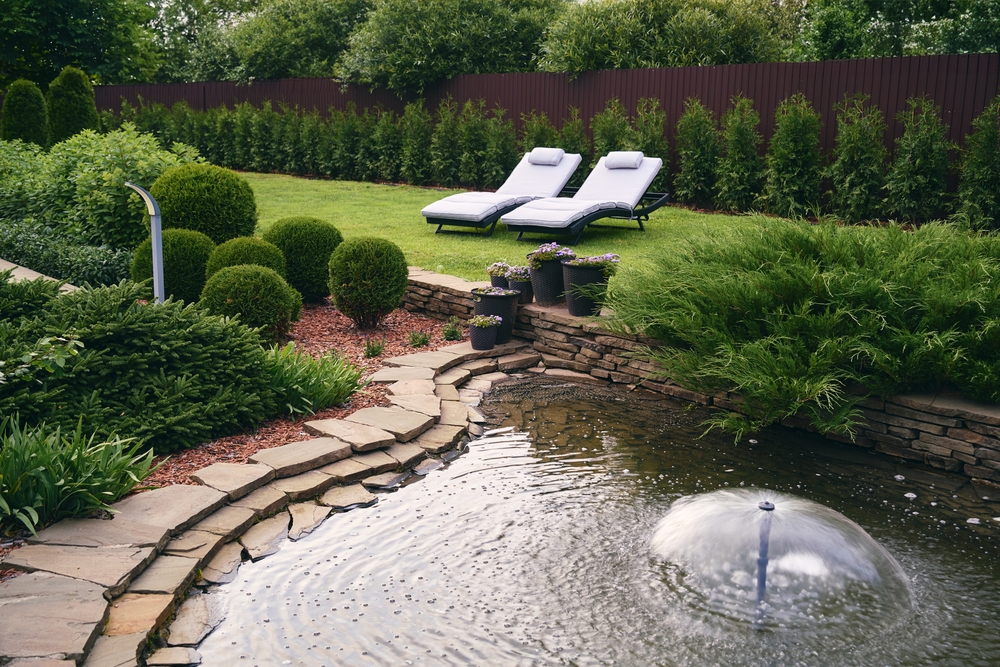
Creating or maintaining Ponds that hold water reliably over time requires more than good design—it requires the right pond waterproofing solution. Whether you are building a decorative koi pond, a commercial water feature, or an agricultural retention pond, waterproofing performance directly affects longevity, maintenance costs, and environmental safety.
At its core, a high-quality pond waterproofing solution must withstand environmental stress, adapt to structural movement, and remain safe for aquatic life. Below, we explore the most important factors to consider when selecting a waterproofing system that delivers long-term performance.
Outdoor ponds are constantly exposed to sunlight, temperature changes, and seasonal weather extremes. Without proper UV resistance, many traditional liners and coatings can degrade over time—leading to brittleness, cracking, or leaks.
A long-lasting pond waterproofing solution should be formulated to resist ultraviolet radiation and maintain its integrity through freeze-thaw cycles, high heat, and heavy precipitation. Advanced spray-applied coatings, such as polyurea and polyurethane systems, are engineered to remain stable even in harsh climates.
This level of durability is especially important in regions with intense sun exposure or dramatic temperature swings. Investing in a UV-stable coating upfront reduces the need for frequent repairs and extends the overall life of your pond.
Ponds—especially those built with concrete, soil, or mixed substrates—naturally shift over time. Ground movement, settling, and thermal expansion can all create stress on waterproofing materials.
An effective pond waterproofing solution must offer flexible membrane performance, allowing it to move with the substrate without cracking or separating. Rigid liners often fail at stress points, while elastomeric coatings maintain elasticity even after years of use.
Flexible membranes are ideal for both earthen and concrete ponds because they adapt to micro-movements and structural changes. This flexibility significantly reduces the risk of leaks and ensures consistent water retention throughout the pond’s lifespan.
Waterproofing materials should never compromise the health of fish, plants, or beneficial microorganisms. Some coatings contain harmful solvents or chemicals that can leach into the water, creating unsafe conditions for aquatic ecosystems.
When choosing a pond waterproofing solution, it is essential to confirm that the product is non-toxic and rated safe for aquatic life. High-quality coatings are often 100% solids and VOC-free, ensuring no harmful byproducts enter the water once cured.
This is particularly important for koi ponds, fish hatcheries, and natural water features where ecological balance matters. A safe coating protects both the pond structure and the living environment it supports.
One of the most common causes of pond leaks is poor adhesion or failure at seams and joints. Traditional liners rely on overlapping materials that can separate over time, especially under constant water pressure.
A superior pond waterproofing solution provides excellent adhesion to the substrate and creates a seamless, monolithic barrier. Spray-applied coatings bond directly to concrete, steel, or soil-based surfaces, eliminating weak points where water can escape.
Strong adhesion ensures long-term leak prevention and improves resistance to hydrostatic pressure. Seamless systems also simplify maintenance and inspections, as there are no joints to monitor or repair.
Even the best waterproofing materials require proper surface preparation and expert application to perform as intended. Professional installers evaluate substrate conditions, moisture levels, and environmental factors before applying the coating.
Companies like Intermountain Coatings specialize in advanced spray-applied waterproofing systems designed for durability and performance. Their experience ensures consistent thickness, proper curing, and maximum adhesion—critical elements for long-lasting pond protection.
Working with an experienced provider also helps match the right system to your specific pond design, whether it’s a decorative feature or a large-scale industrial water containment structure.
Choosing the right pond waterproofing solution is an investment in reliability, safety, and reduced maintenance. By prioritizing UV and weather resistance, flexible membrane performance, aquatic-safe materials, and superior adhesion, you can avoid common failures that lead to costly repairs.
If you are planning new Ponds or upgrading an existing system, consulting with experts such as Intermountain Coatings can help ensure your waterproofing solution meets both structural and environmental demands. The right coating not only protects your pond—it preserves its function and beauty for years to come.
For more information about specialized pond coatings, visit our dedicated Ponds service page.