5027 S Commerce Dr
Murray, UT 84107

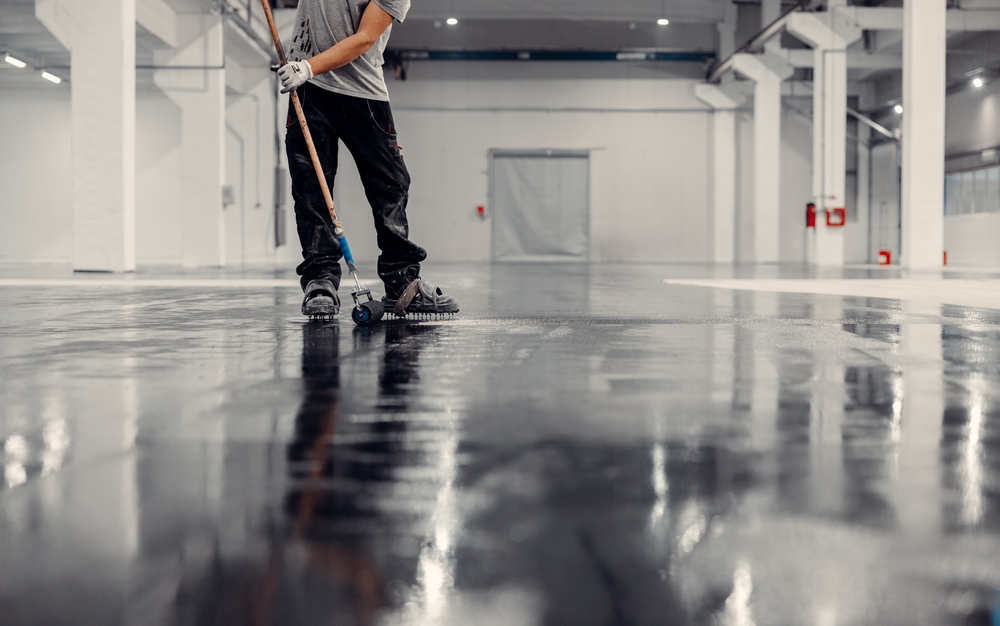
Selecting the right industrial floor coatings can make the difference between a facility that runs smoothly for decades and one that requires constant repairs and maintenance. Your floors endure heavy machinery, chemical spills, temperature fluctuations, and relentless foot traffic every single day. The coating you choose needs to withstand these challenges while keeping your operations running efficiently.
At Intermountain Coatings in Murray, Utah, we've helped countless businesses transform their facilities with durable, long-lasting floor solutions. Understanding your options and making an informed decision will protect your investment and ensure your workspace remains safe and productive for years to come.
Before exploring coating options, take a close look at your facility's specific requirements. Manufacturing plants face different challenges than warehouses, and food processing facilities have distinct needs compared to automotive shops.
Consider the types of chemicals your floors encounter daily. Will they be exposed to oils, acids, or cleaning solvents? Heavy machinery creates different stress patterns than light foot traffic, and temperature variations can cause some coatings to crack or peel over time.
Document high-traffic areas, loading zones, and spaces where spills commonly occur. This information helps determine which coating properties matter most for your specific environment.
Epoxy remains one of the most versatile choices for industrial applications. These coatings create a hard, durable surface that resists chemicals, impacts, and abrasion. They're particularly effective in manufacturing facilities, garages, and warehouses where durability is paramount.
Epoxy coatings bond directly to concrete, creating a seamless surface that's easy to clean and maintain. They can be customized with anti-slip additives, decorative flakes, or specific colors to meet safety requirements or branding needs.
When UV resistance and flexibility are priorities, polyurethane coatings excel. These systems maintain their appearance and performance even under direct sunlight, making them ideal for facilities with large windows or outdoor exposure.
Polyurethane offers superior resistance to scratching and provides excellent chemical protection. The flexibility of these coatings helps them withstand thermal cycling without cracking, particularly valuable in facilities with varying temperatures.
For rapid turnaround projects, polyurea coatings set the standard. These fast-curing systems can often be applied and ready for use within 24 hours, minimizing downtime for busy facilities.
Polyurea demonstrates exceptional impact resistance and flexibility, making it perfect for areas with heavy equipment or frequent loading and unloading activities. The seamless application creates an impermeable barrier that prevents moisture penetration and substrate damage.
Different industries expose floors to various chemicals that can deteriorate standard coatings. Food processing facilities need coatings that withstand sanitizers and cleaning agents, while automotive shops require resistance to oils and hydraulic fluids.
Create a comprehensive list of all chemicals that might contact your floors, including cleaning products, process chemicals, and accidental spills. Share this information with your coating contractor to ensure proper material selection.
Heavy forklifts, pallet jacks, and machinery create different wear patterns than foot traffic alone. Point loads from equipment legs can cause coating failure if the system isn't designed to handle concentrated weight.
Consider both current and future needs when evaluating load requirements. Business growth might bring heavier equipment or increased traffic, making it wise to choose a more robust system initially rather than recoating sooner than necessary.
Some coatings require regular maintenance to perform optimally, while others provide years of service with minimal intervention. Factor ongoing maintenance costs and labor requirements into your decision-making process.
Discuss cleaning protocols, recommended maintenance schedules, and expected service life with potential contractors. A higher initial investment in a low-maintenance system often proves more economical over time.
Proper installation determines coating performance more than any other factor. Surface preparation, environmental conditions during application, and installer expertise all impact the final result.
Look for contractors with specific experience in industrial applications similar to yours. Request references from businesses with comparable facilities and similar usage patterns. A qualified contractor will conduct a thorough site evaluation and recommend solutions based on your specific needs rather than pushing a one-size-fits-all approach.
Industrial floor coatings represent a significant investment in your facility's future. The right system protects your concrete substrate, enhances workplace safety, and reduces long-term maintenance costs.
Ready to explore coating options for your facility? Contact Intermountain Coatings in Murray, Utah, for a comprehensive evaluation of your industrial flooring needs. Our experienced team will help you select and install a coating system that keeps your business running smoothly for years to come.